Slate, Clay or Concrete? How to Choose Roofing Materials for a UK Period Home
Few decisions on a period house carry as much weight, in every sense, as the roof covering. It is the largest single surface on the building, the thing neighbours see first, and the part of the fabric you will hopefully not have to think about again for decades. Get it wrong and it will look wrong from fifty yards, whatever the colour chart promised.
Slate, clay and concrete each have a legitimate place. The skill is matching the material to the age and construction of the house, the local planning rules, and the budget you actually have rather than the one you would like.
Start with what is already overhead
Before you look at catalogues, get onto the scaffold or into the loft and work out what you have. Original Welsh slate that has simply reached the end of its life tells you something quite different from a 1980s concrete tile that replaced it. Reclaimed covering is a strong clue to what the house was built with, and what a conservation officer will expect to see put back.
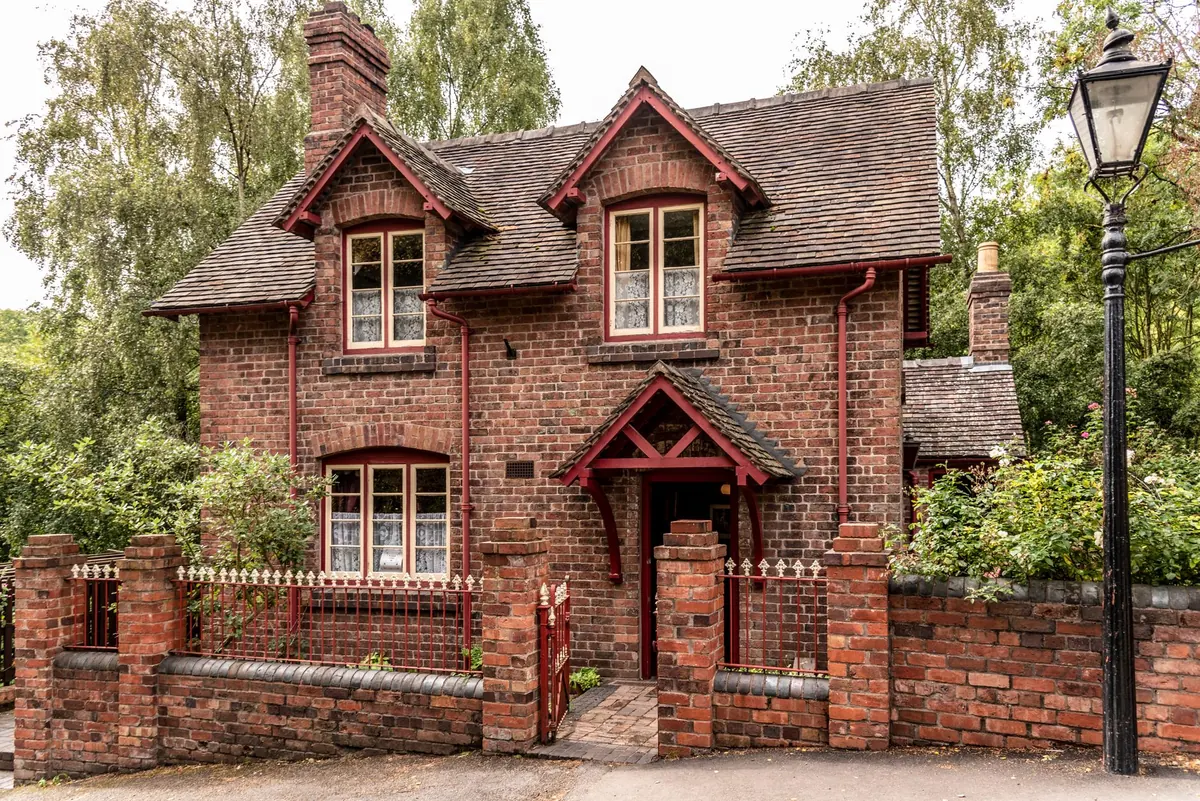
Then look at the street. Roofing materials are regional: slate across much of Wales and the slate-carrying counties, clay pantiles in parts of East Anglia and the Midlands, stone slates on limestone belts. Matching the local vernacular is not nostalgia. It is usually the most reliable guide to what will look right, and it is often what planning policy asks for.
Roof pitch rules materials in or out. Plain clay tiles and natural slate need a reasonable fall; a shallow roof may push you towards an interlocking concrete tile or a specialist system.
Slate: the long view
Natural slate is the covering most people picture on a period house, and for good reason. Traditional Welsh slate has regularly lasted a century or more, often outliving the fixings that hold it. That is the point to remember. On older roofs it is often the nails, not the slate, that fail first. If your slates are sound and the roof only leaks at the fixings, re-slating with the same material and modern copper or stainless-steel nails is a genuinely sensible option.
Not all slate is equal. Imported slate from Spain, Brazil and elsewhere varies enormously in quality, and a cheap pallet can look convincing on the day and disappoint within twenty years. Ask where it came from. And note that "slate-effect" concrete is a different product entirely; it should not be sold to you as slate.
What to ask before buying slate
- Where was the slate quarried, and can the supplier name the source?
- Is it graded and sorted by size and thickness? Mixed thicknesses are fine in skilled hands and can look wonderful, but the roofer needs to know.
- What fixings are specified? Copper or stainless steel, not galvanised.
- What guarantee comes with the material itself, as opposed to the workmanship?
Clay: colour, texture and repairability
Clay tiles — plain tiles, pantiles, double Romans and the handsome blue-black Staffordshire varieties — bring warmth and variation that no single-colour covering can match. Machine-made tiles are consistent and cheaper; hand-made ones vary in shape and shade, which is exactly the quality that suits older buildings.
Clay is repairable, a real advantage on a period house. Tiles can be lifted, replaced and re-laid, mixed with reclaimed stock and patched section by section. Plain clay tiles are heavy, though, and they need a decent pitch, so check what the roof structure can carry before ordering. Replacing a modern tile with clay often means new battens, underlay and possibly strengthening.
Concrete: the practical compromise
Concrete tiles have one great virtue: cost. Interlocking profiles are quick to lay, available in a range of colours and finishes including slate-effect, and they will do a perfectly good job on an extension, a garage or a house where the roof is barely seen.
Their limitations are worth being honest about. They are heavy, often heavier than natural slate and sometimes heavier than the tiles they replace. Surface colour tends to dull, lichen takes hold and the texture coarsens with age. Lifespan is typically shorter than clay or good slate. On a listed building, or in a conservation area where slate or clay defines local character, a switch to concrete is likely to be refused.
What you are really comparing
Two quotes are only comparable if they describe the same job. Put them side by side against these points:
- Material: type, source, grade and quantity, with an allowance for breakage and cutting.
- Fixings, battens and underlay — often skimped, always worth specifying.
- Weight and structure: any need for strengthening or extra battens.
- Flashings, valleys, ridge and hip details, chimney work.
- Gutters, downpipes and rainwater goods — replace them while the scaffold is up.
- Scaffolding, waste disposal, guarantees and what each guarantee actually covers.
Slate generally costs most, clay less, concrete least. But slate laying is skilled and slow, and on a complex roof that gap widens. A cheaper covering fitted twice costs more than good slate fitted once.
Planning, listing and protected wildlife
If the building is listed, changing the roof covering affects its character and needs listed building consent. In conservation areas, permitted development rights are often restricted, and local policies frequently expect natural slate or clay where that is the tradition. Speak to the conservation officer before you order anything; a short conversation can save a refusal.
Two other things to check before work starts. Bats and their roosts are legally protected across the UK: if you find bats, droppings or roost evidence under tiles or slates, stop work and take advice from the relevant statutory conservation body. And if you are stripping an older roof, old underlay or felt may contain asbestos, so arrange proper identification and disposal.
A practical way to decide
Work through it in order and the answer usually becomes obvious.
- Identify the existing covering and the local tradition, and establish whether an original roof can be repaired rather than replaced.
- Confirm what is allowed: listed consent, conservation area policy
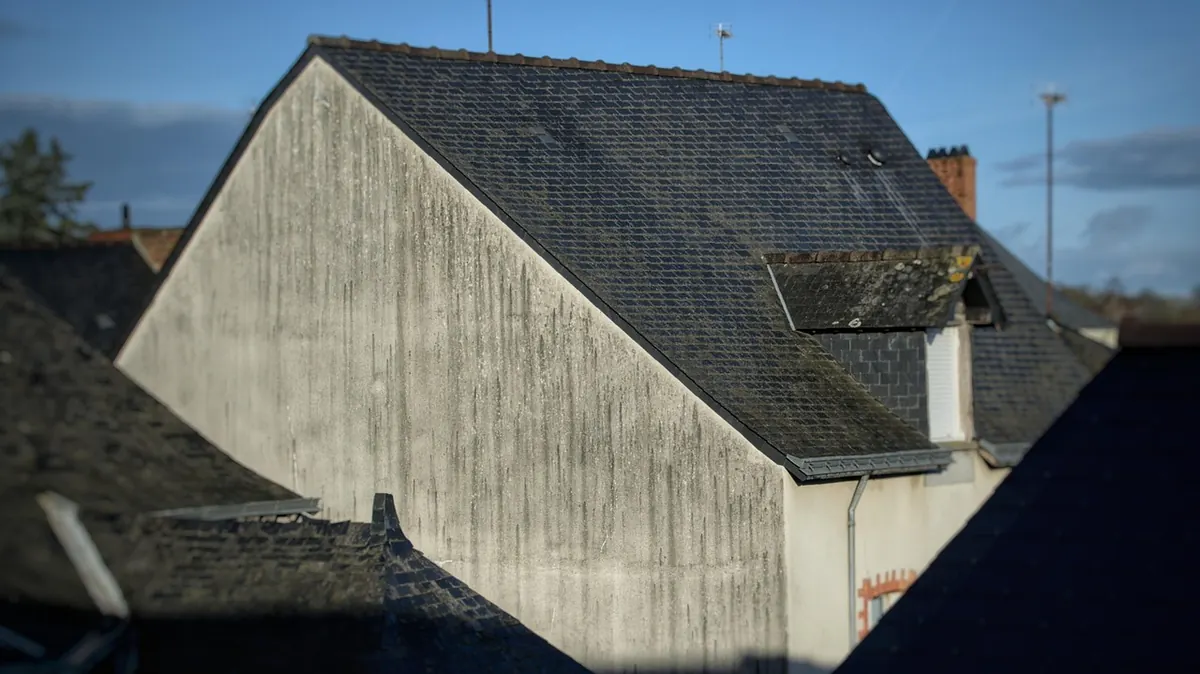
Photo: richardfoulon / Pixabay

You Might Also Like
Size, height, position and use limits decide whether a garden room needs planning permission. Here's how permitted development works, and where it stops applying.
Internal or external? A practical comparison of retrofitting solid brick walls — cost, thickness, breathability, disruption and the planning constraints that decide which route is possible.